The Oldest Standing Building in Idaho
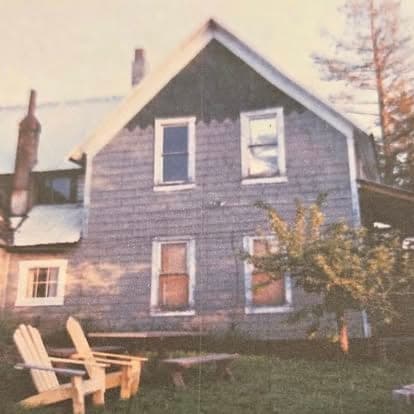
The Mission of the Sacred Heart sits on a hill above the Coeur d'Alene River, about five minutes from Watson's Lakefront Resort. It was built between 1850 and 1853 by Jesuit missionaries and members of the Coeur d'Alene Tribe, using a wattle-and-daub construction method — and remarkably, no nails. It is the oldest standing building in Idaho, a National Historic Landmark, and the centerpiece of Coeur d'Alene's Old Mission State Park.
If you're staying at Watson's, it's the easiest half-day trip on the map. The mission is visible from I-90 as you pass through Cataldo, and the park entrance is a few minutes off the highway.
Getting There From Watson's
From Watson's, head a few minutes north toward the Cataldo exit and follow signs to Old Mission State Park. The park is a state-managed Idaho Parks and Recreation site, with a paved entrance road, a parking lot at the top of the hill, and a visitor center along the way. Vehicle entry is $7. Plan on a half-day if you want to walk the grounds and the visitor-center exhibits properly, or as little as ninety minutes if you're focused on the mission itself.
The Mission Building
Inside, the mission is plainer than most visitors expect — wide-plank floors, hand-hewn beams, painted-tin ceiling panels that have been carefully preserved. The altar at the front is original. The two side chambers behind the altar hold smaller artifacts and historical photographs. The building feels its age in the way old buildings do — the air is cooler, the sound is dampened, the wood smells like wood.
Self-guided visits are the norm. Interpretive signage walks you through the construction process, the role of the mission in the regional history of the Coeur d'Alene Tribe, and the long process of restoration that has kept the building standing for more than 170 years.
The Sacred Encounters Exhibit
The park's visitor center houses the Sacred Encounters exhibit, which tells the broader story of the Coeur d'Alene people and the Jesuit missionaries who came west in the 1840s. It's a meaningful exhibit — not a quick one. The narrative is honest about the tensions of the period as well as the partnerships, and the artifact collection is worth a slow walk. Budget an hour for the exhibit on its own.
Walking the Grounds
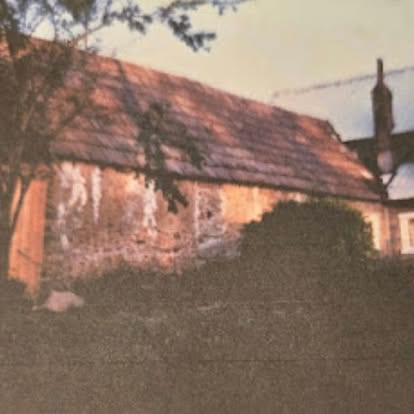
Beyond the mission building itself, the park's grounds include the restored parish house, two historic cemeteries, and walking paths that loop around the hill with views over the Coeur d'Alene River valley. The grounds are quiet, mostly grass and pine, and they're the part of the visit that most people remember after the building tour fades. If the weather is good, the walking-paths loop is the right way to close the visit.
When to Visit
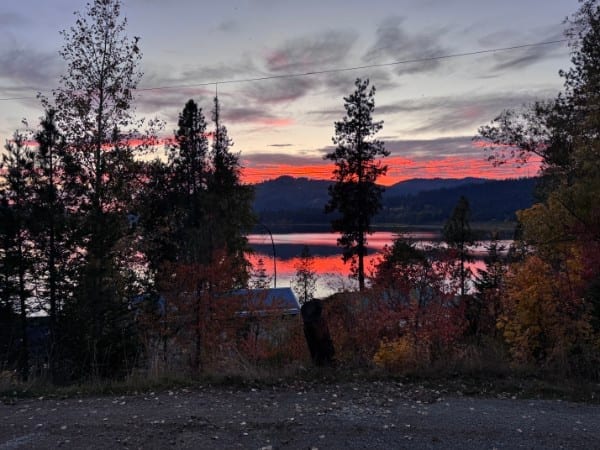
The park is open year-round, though hours and access for the mission building itself shift seasonally. Summer afternoons are the busiest stretch. Spring and fall mornings are the quietest. October at Old Mission, with autumn light on the hill, is one of the photogenic afternoons in the Coeur d'Alene River valley.
Check current hours on the Idaho Parks and Recreation website before planning a specific arrival time, especially in shoulder seasons.
Pairing With a Stay at Watson's
Old Mission fits well as a morning anchor in a Watson's stay. A typical guest day looks like: breakfast in your cabin, a half-day at Old Mission, lunch back at the resort or a quick stop in town, an afternoon on Rose Lake or the trail, and dinner at Red's Tavern. The mission, the lake, the trail, and the tavern make a four-stop day that doesn't require driving much past the property.
For history-leaning travelers, Old Mission also pairs naturally with a half-day in Wallace — the historic mining town about 35 minutes east on I-90 — to make a full day of regional history.
A Note on Stewardship
The mission is a living National Historic Landmark and an active site of significance to the Coeur d'Alene Tribe. Visitors are asked to respect the building and grounds — no climbing on the structures, no touching the historical surfaces inside, no photography of certain interior areas as noted by park staff. The signs are clear; the park staff are friendly about explaining anything that isn't. Treat the visit accordingly.